Transformers for Solar & Renewable Energy Projects: A Practical Selection Guide
Solar PV plants, wind farms and battery energy storage systems (BESS) all depend on transformers to move power from the generation equipment onto the grid. Renewable projects place demands on a transformer that a typical distribution unit doesn't face: power flows in reverse (from the low-voltage side up to medium voltage), loading swings with the sun and the wind, and inverters introduce harmonics. Choosing the right transformer early in design helps protect energy yield, simplifies interconnection and lowers lifetime operating costs. This guide covers the main transformer types used in renewable projects and the points engineers and buyers should check when they specify one.
Where Transformers Sit in a Renewable Energy System
Most utility-scale and commercial renewable sites use a staged voltage architecture:
- Inverter step-up (generator step-up) transformers: raise the low-voltage AC output of the inverters to a medium-voltage collection level. These are the most numerous transformers on a solar or BESS site.
- Collection and substation transformers: on larger plants, a main power transformer steps the medium-voltage collection system up to transmission voltage at the point of interconnection.
- Auxiliary transformers: supply site loads such as tracker motors, HVAC for inverter and battery enclosures, lighting, monitoring and security systems.
For commercial and industrial rooftop or ground-mount systems, a single step-up or interconnection transformer is often enough, with the system tying into an existing facility service.
Choosing the Right Transformer Type
The installation environment, the project's capacity and local utility practice usually decide which construction makes sense.
| Transformer type | Typical renewable application | Key advantages |
|---|---|---|
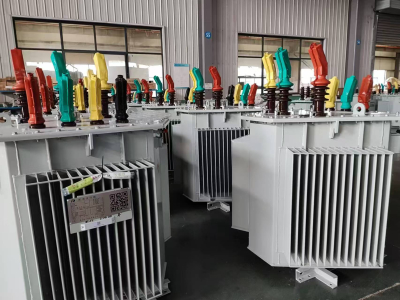
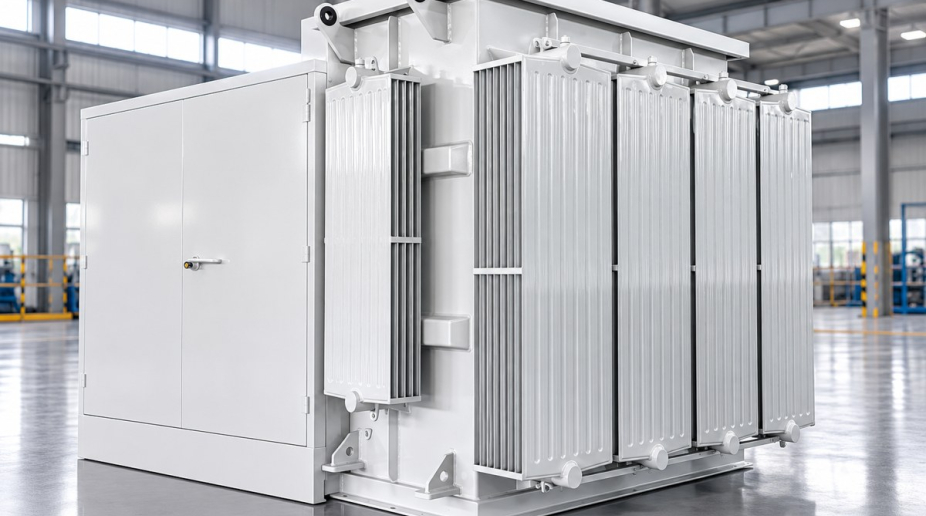
| Oil-immersed / pad-mounted | Outdoor inverter step-up stations on utility-scale solar, wind and BESS sites | Compact for its rating, good overload capability, well suited to outdoor duty |
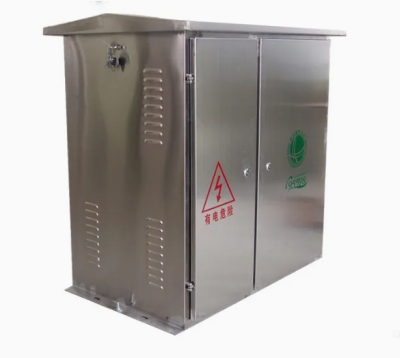
| Box-type (compact) substation | Integrated MV/LV stations combining transformer, switchgear and protection | Factory-assembled, smaller footprint, faster on-site installation |
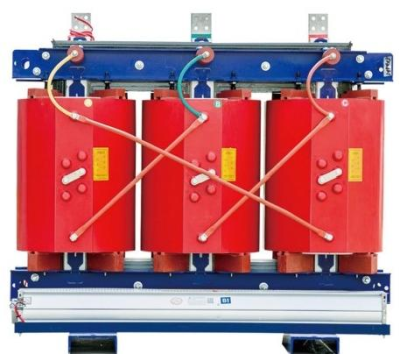
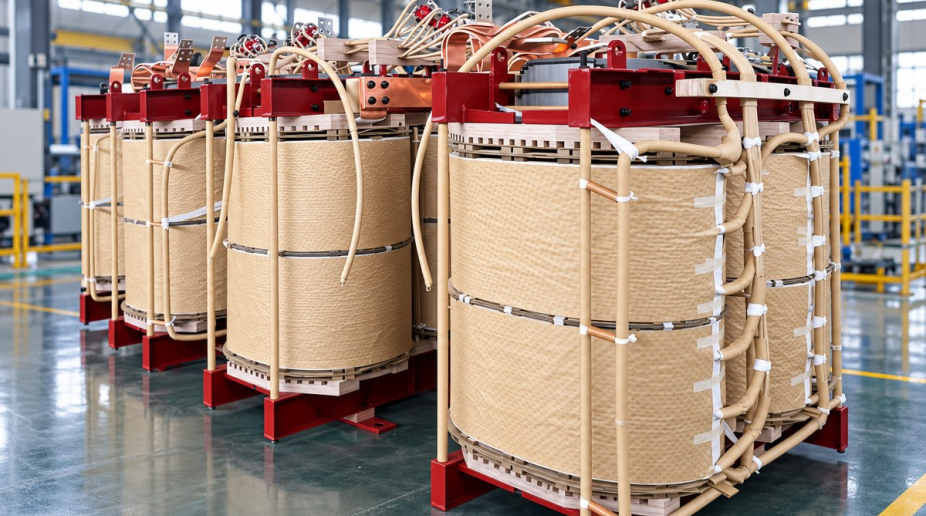
| Dry-type | Indoor or rooftop C&I systems, enclosures, sites with strict fire or environmental rules | No liquid, reduced fire risk, lower maintenance |
Outdoor utility-scale projects typically use oil-immersed transformers or integrated box-type substations, while dry-type transformers are common where equipment is installed indoors or close to occupied buildings.
Technical Requirements Specific to Renewables
A transformer specified for a load-serving application may not be the best match for a generating plant. Key points to review include:
- Reverse power flow: the low-voltage winding is connected to the inverter (the source), so the voltage ratings, tap arrangement and protection scheme should reflect step-up operation.
- Harmonics and inverter compatibility: inverter output contains harmonic content that adds heating. Many specifiers request a design that accounts for the inverter's harmonic profile, and some projects use electrostatic shielding between windings.
- Multiple windings: some central inverter designs require dual low-voltage windings so that two inverter sections can feed one transformer.
- Cyclic loading and losses: solar transformers sit energized but lightly loaded at night and run near full load around midday. Because no-load losses apply 24 hours a day, low-loss core materials can improve lifetime economics.
- Environmental conditions: high ambient temperatures, dust, humidity, coastal salt and altitude all affect cooling, insulation and enclosure design.
- Grid code and utility requirements: vector group, impedance, grounding and fault-ride-through considerations are usually set by the interconnecting utility and must be confirmed early.
Sizing and Specification Tips
Getting the rating right avoids both clipping losses and unnecessary capital cost:
- Match the transformer kVA rating to the inverter AC output, taking the project's DC/AC ratio and any planned expansion into account.
- Confirm the low-voltage rating exactly matches the inverter output voltage, and the medium-voltage rating matches the collection system or utility service.
- Define the ambient temperature range, altitude and cooling class so the manufacturer can design for real site conditions.
- Specify the applicable standards (for example IEEE/ANSI for North American projects or IEC for many international markets) and the required factory tests.
- Coordinate the transformer with the inverter supplier and the MV switchgear so protection settings and interfaces line up.
Early coordination between the EPC, the inverter vendor and the transformer manufacturer usually shortens approval cycles and reduces redesign during construction.
Working With an Experienced Manufacturer
With nearly 30 years of experience in transformer and switchgear manufacturing, Jinan Qinghe Electric supplies oil-immersed, dry-type and box-type transformers, switchgear and inverter-related equipment for industrial, utility and renewable energy projects around the world. Our engineering team can review your single-line diagram, inverter data and site conditions and recommend a transformer configuration that fits your project.
Planning a solar, wind or storage project? Contact our team with your capacity, voltage levels and site details to get a tailored transformer recommendation and quotation.